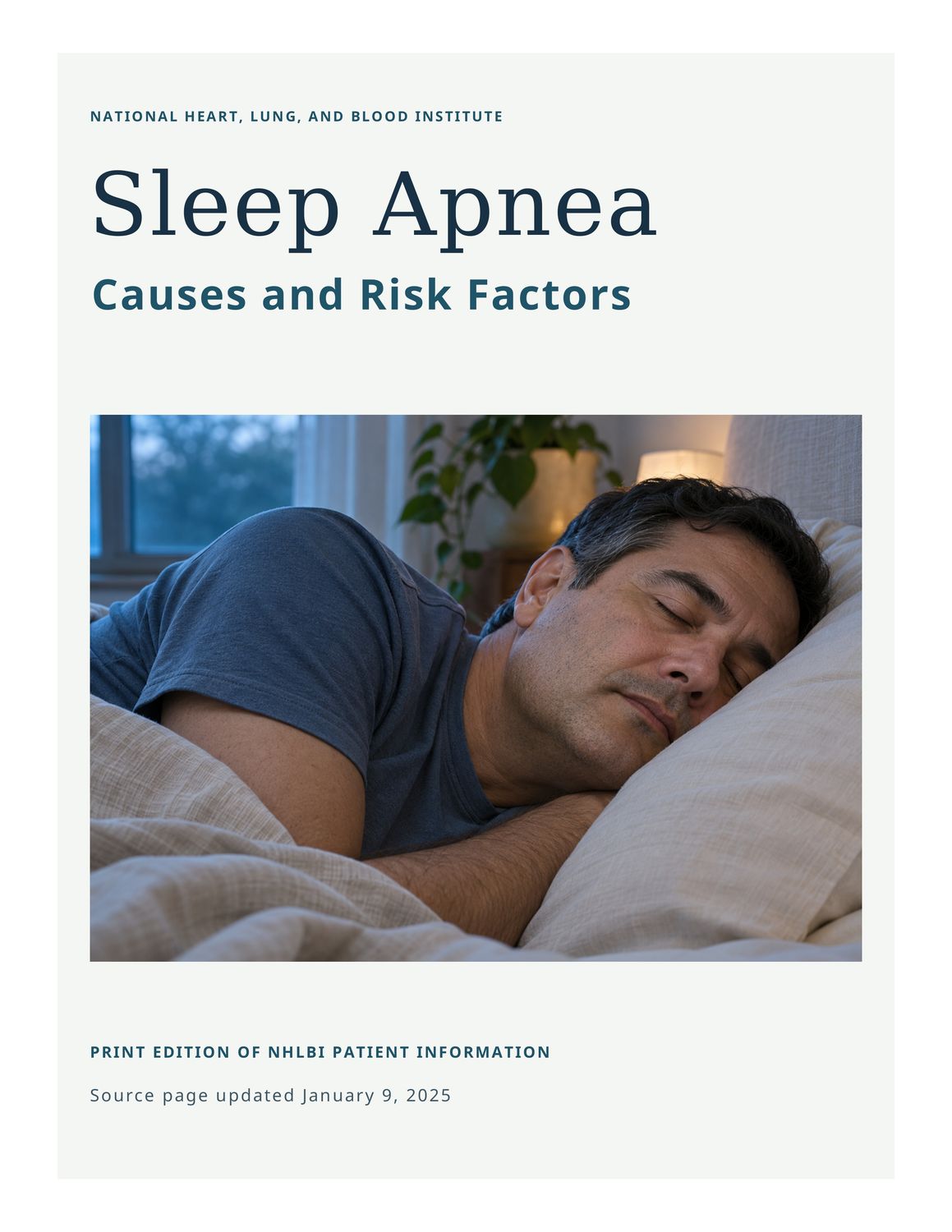
Order your free hard copy by adding to cart or you can download an electronic copy for free using the link below
This Pathways Behavioral Health Education Award Initiative is supported by the Centers for Medicare & Medicaid Services (CMS) of the U.S. Department of Health and Human Services (HHS) as part of a financial assistance award totaling BP1-$915,558, BP2-$1,253,012 with 100% percent funded by CMS/HHS. The contents are those of the author(s) and do not necessarily represent the official views of, nor an endorsement, by CMS/HHS, or the U.S. Government.
This project is funded under a grant contract with the State of Tennessee,
Department of Mental Health and Substance Abuse Services.

Address
1321 Murfreesboro Pike #155
Nashville, TN 37217
United States
615-780-5901
Follow us on Social