Order your free hard copy by adding to cart or you can download an electronic copy for free using the link below
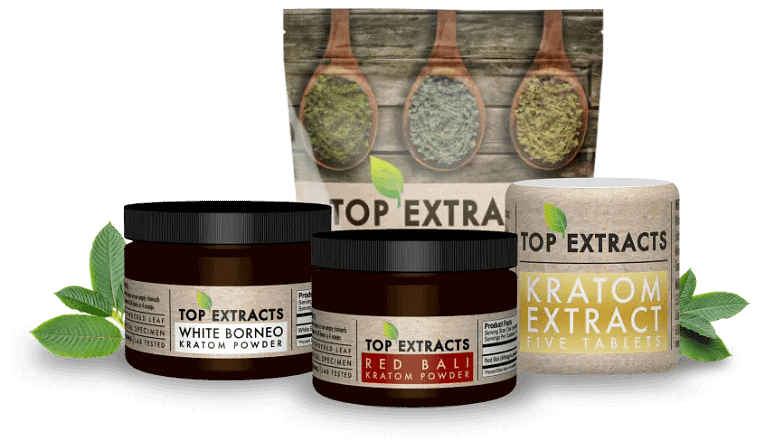
Kratom is a tropical tree native to Southeast Asia, whose leaves contain psychoactive compounds (mitragynine and 7-hydroxymytragynine) that produce stimulant effects at low doses and sedative effects at high doses. It is commonly consumed by oral ingestion, smoking, brewing as tea, or chewing the leaves, and its abuse has increased in the U.S. Kratom can lead to addiction, psychotic symptoms (hallucinations, delusions, confusion), and various physical effects such as nausea, itching, sweating, and more severe conditions like hepatotoxicity and seizures. While not controlled under the Controlled Substances Act, some states regulate or prohibit its use, and the DEA has classified it as a Drug and Chemical of Concern. The FDA has not approved kratom for medical use.
This Pathways Behavioral Health Education Award Initiative is supported by the Centers for Medicare & Medicaid Services (CMS) of the U.S. Department of Health and Human Services (HHS) as part of a financial assistance award totaling BP1-$915,558, BP2-$1,253,012 with 100% percent funded by CMS/HHS. The contents are those of the author(s) and do not necessarily represent the official views of, nor an endorsement, by CMS/HHS, or the U.S. Government.
This project is funded under a grant contract with the State of Tennessee,
Department of Mental Health and Substance Abuse Services.


Address
1321 Murfreesboro Pike #155
Nashville, TN 37217
United States
615-780-5901